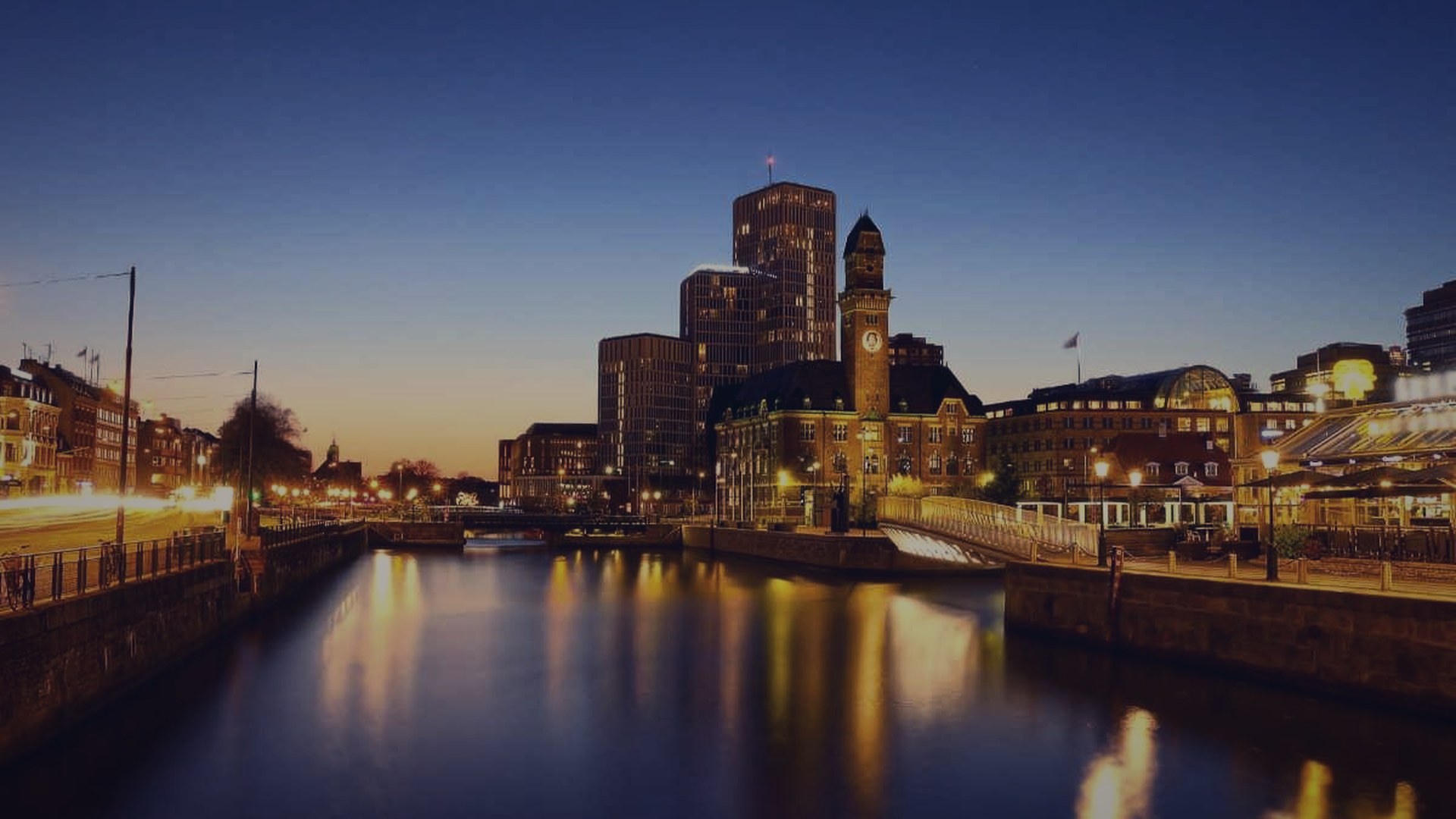
ECCV 2026 Workshop · Malmö, Sweden
AI for Visual ArtsThe 4th Edition
--Days
--Hours
--Minutes
--Seconds
AI4VA · Held September 9, 2026 · Malmö, Sweden
SCROLL
ECCV 2026 Workshop · Malmö, Sweden
AI4VA · Held September 9, 2026 · Malmö, Sweden
 Abstraction
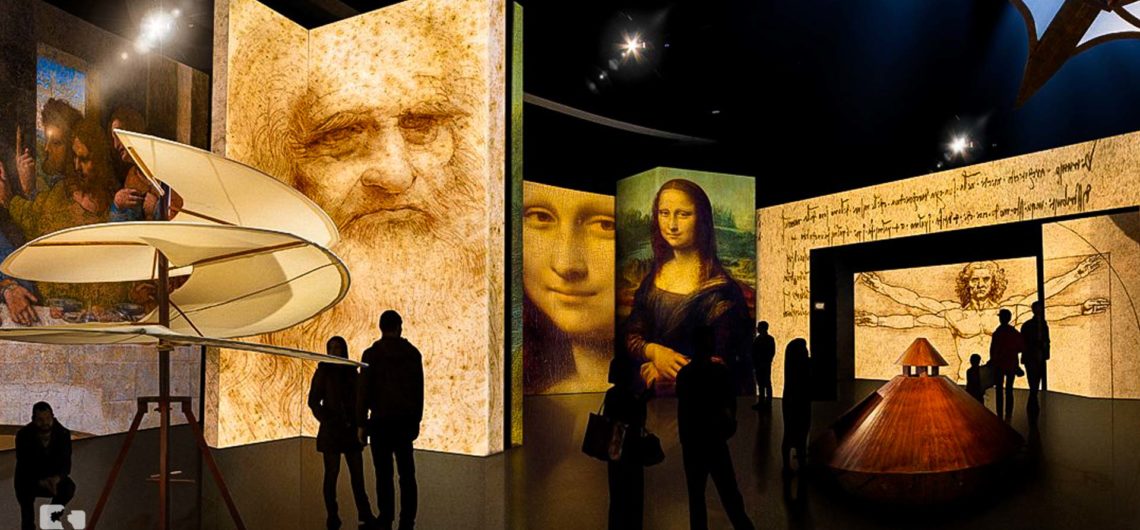 Heritage
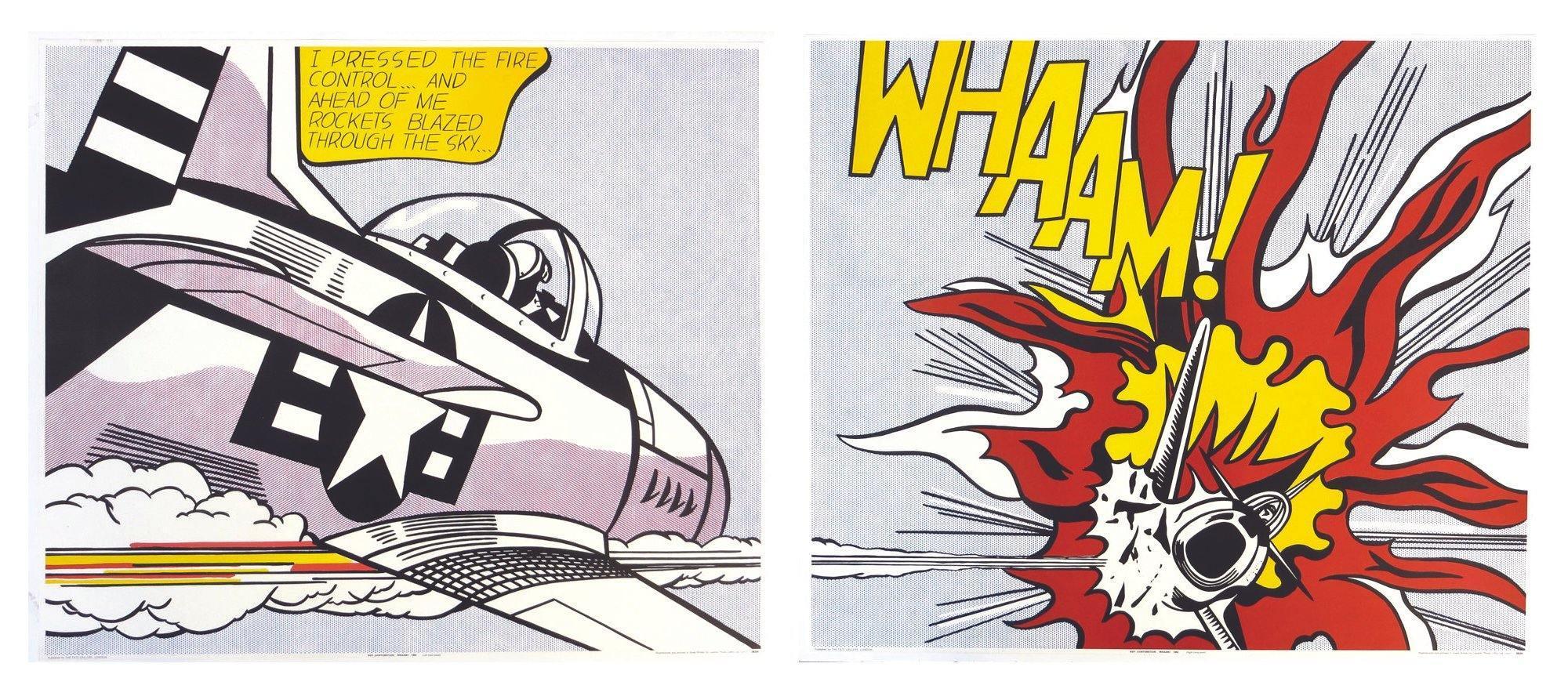 Narrative
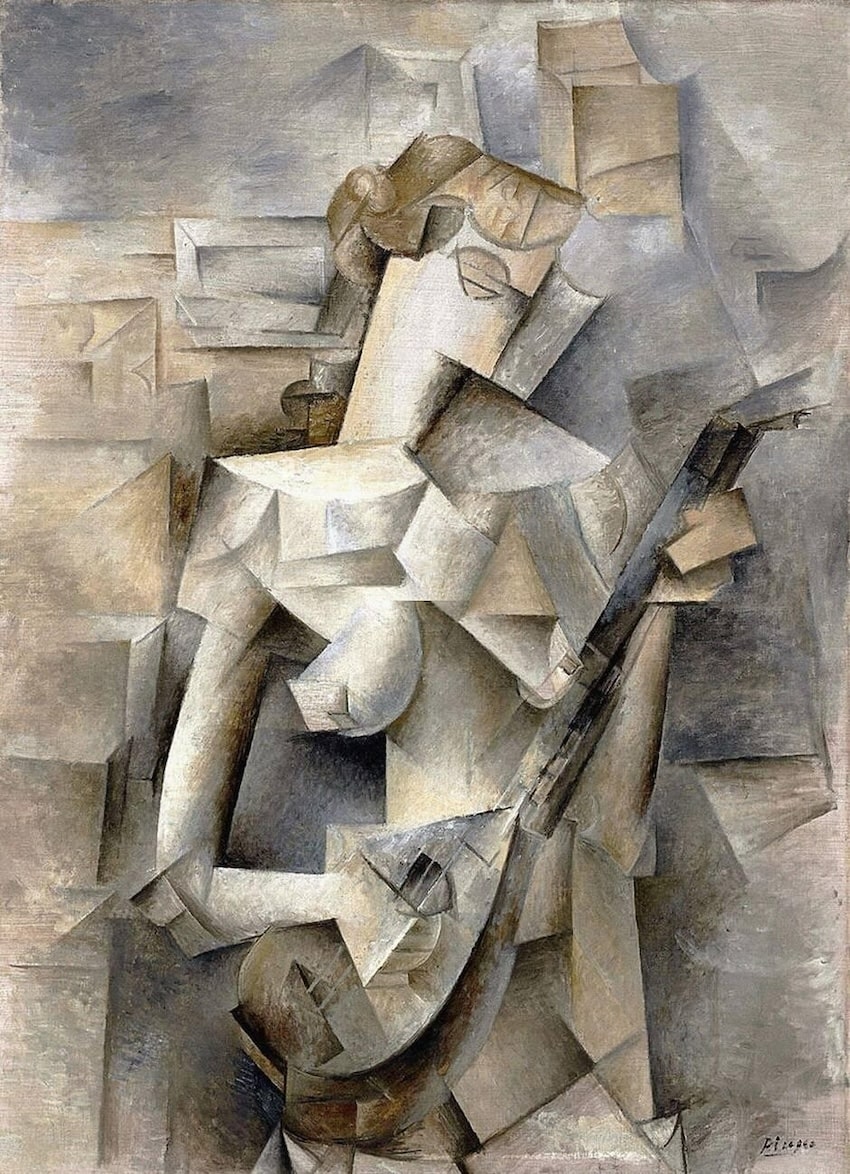
The 4th AI for Visual Arts workshop at ECCV 2026 explores how computer vision perceives, interprets, models, and generates abstraction across artistic and cultural imagery: paintings, comics, films, typography, sculpture, and heritage artefacts that challenge the assumptions of conventional models.
Building on three successful editions, AI4VA now expands toward the frontier of generative and agentic creativity: world models for cinematic simulation, long-form video generation for storyboarding, neural 3D representations for creative domains, and agentic workflows for art, film, and storytelling, alongside our enduring focus on perception under abstraction, provenance, and the digitisation and restoration of cultural heritage.
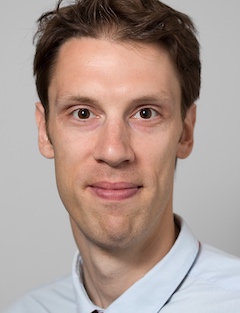 BO
BOLMU Munich
Professor of Computer Vision & Learning at Ludwig Maximilian University of Munich. His group's work on latent diffusion models underpins Stable Diffusion and much of today's generative image research.
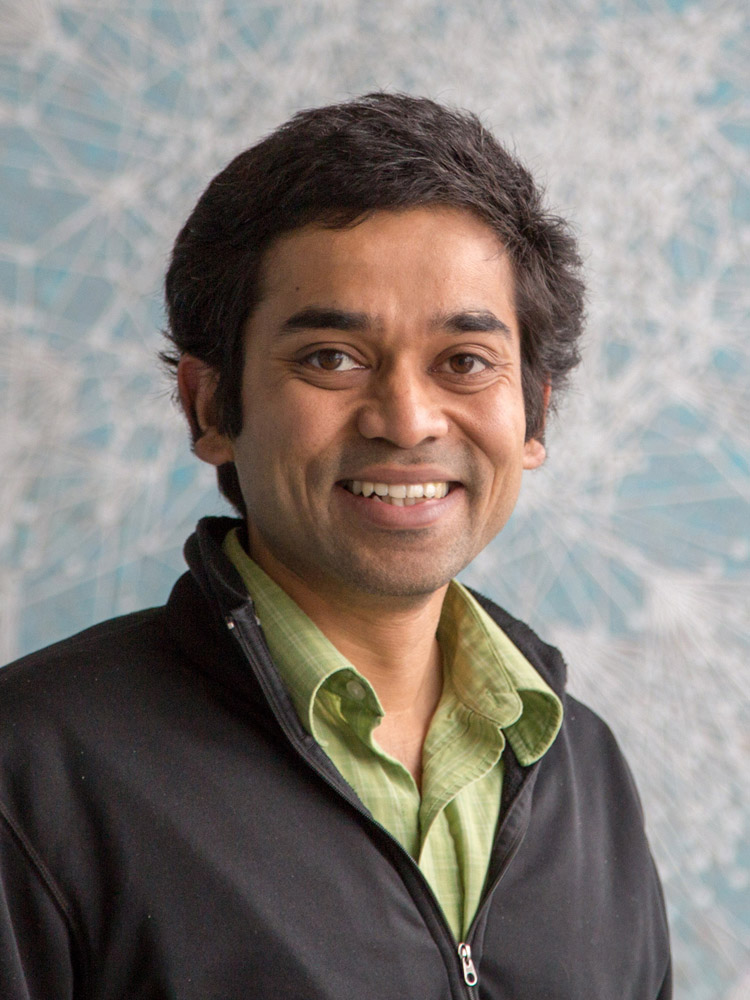 NM
NMUniversity College London · Adobe Research
Professor of Computer Graphics at UCL, where he leads the Smart Geometry Processing group, and Senior Research Scientist at Adobe Research. Works on geometry processing, shape analysis, and generative models for 3D content.
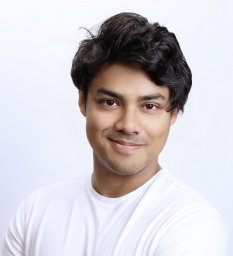 RK
RKUniversity of Washington · Allen Institute for AI
Assistant Professor at the Paul G. Allen School and research lead at AI2. Creator of Visual Genome; his work spans vision-language models, multimodal reasoning, and human-AI interaction.
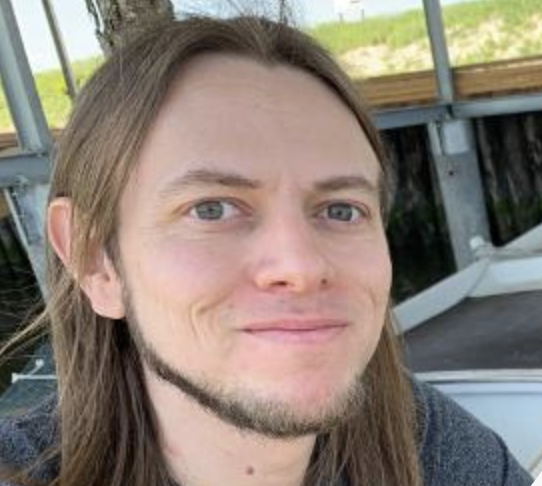 SJ
SJDurham University
Spatial Reasoning for Cultural Heritage
Assistant Professor in Visual Computing at Durham University and Co-Director of the Durham Centre for Digital Humanities. His research spans spatial and visual reasoning, multimodal AI, and computational approaches to cultural heritage.
Half-day afternoon session · Wednesday, September 9, 2026 · Stroget 3, Quality View Hotel, Malmö · 13:00 CEST
Deblina Bhattacharjee · Workshop Chair, University of Bath
LMU Munich · latent diffusion models and generative image research
University College London · Adobe Research · generative models for 3D content
University of Washington · Allen Institute for AI · vision-language models and multimodal reasoning
Please make your way to the MalmöMässan Exhibit Hall
All accepted papers, archival and non-archival — including the oral spotlight papers · MalmöMässan Exhibit Hall · boards 232–246
Walk back from the Malmö Mässan Exhibit Hall to the Quality View Hotel
Durham University · Spatial Reasoning for Cultural Heritage
Three selected papers · 7 minutes each followed by 3 minutes of questions · these authors also present a poster in the 15:00 session
Deblina Bhattacharjee · Workshop Chair, University of Bath
Talks are in Stroget 3, Quality View Hotel, from 13:00 CEST. The poster session is in the MalmöMässan Exhibit Hall. The programme is provisional and subject to change.
AI4VA has been allocated boards 232–246 in the MalmöMässan Exhibit Hall. Please find your board number below and mount your poster there at the start of the 15:00–16:00 session.
Abhishek Dangeti; Vikram Jamwal; Pavan Gajula
Yeji Song; Jaehyun Lee; Mijin Koo; Junhoo Lee; Nojun Kwak
Harini S; Kaustubha V
Lexi Pang; Liheng Zhang; Hang Ye; Xiaoxuan Ma; Yizhou Wang
Oscar W. Horsfall
Sai Sri Teja Kuppa; Parth Shinde; Priyadharsan Balaji S; Jinka Harshavardhan; Sriprabha Ramanarayanan
Taraash Mittal; Gaurav Rai; Ojaswa Sharma
Bernhard Egger
Mathis Koroglu; Guillaume Jeanneret; Hugo Caselles-Dupré; Matthieu Cord; Arnaud Dapogny
Soroush Mehraban; Vida Adeli; Jacob Rommann; Kyryl Truskovskyi; Harrison Sanborn; Babak Taati; Cole Clifford
Wang Huimin; Chang Xia; Leilei Ouyang; Yongqi Kang; Yu Fu; Yuqi Ouyang
Batu Arda Düzgün; Ludovica Schaerf; Alessandra Conti; Eric O. Postma
Polina Karpikova; Gege Gao
Nokap Tony Park
140 × 100 cm · 55.12 × 39.37 in · landscape
AI4VA boards are 232–246. Individual board assignments are listed above. Note the Exhibit Hall is a separate building from the talks room.
All accepted papers present a poster, including those selected for an oral spotlight. An oral spotlight is in addition to the poster, not instead of it.
Posters are displayed in the MalmöMässan Exhibit Hall during the 15:00–16:00 session. Boards are shared with other workshops, so please set up and remove your poster within your session window.
Use your own artwork if you prefer, but we recommend a 3- or 4-column layout with little text, built around a few large, expressive figures. A poster is not a copy of your paper: it should give you the tools to present the work in 5–10 minutes to any passing attendee. Looking at posters from previous conferences is a good place to start.
Stroget 3 · Quality View Hotel · 13:00 CEST
Talks: keynotes and oral spotlights are held in room Stroget 3 at the Quality View Hotel, Malmö, from 13:00 CEST (Europe/Stockholm).
Posters: the 15:00–16:00 poster session is in the MalmöMässan Exhibit Hall, boards 232–246 — a separate building a short walk away. Please allow time to move between the two.
Presenters are asked to load their slides during the preceding break.
Three presentations could not be shown during the workshop — one oral spotlight affected by technical problems on the day, and two posters whose authors were unable to travel to Malmö. The authors have provided recordings, which we are glad to share here so their work reaches the audience it was intended for.
Oral Spotlight · Board 242
Poster · Board 237
Poster · Board 233
These instructions apply to accepted full archival papers only. Extended abstracts are non-archival and require no camera-ready submission. There are two separate submissions — one to OpenReview and one to Meteor — and the rules about supplementary material are different for each. The main paper is limited to 14 pages excluding references in both. Step 01 (OpenReview) closed on August 15. Step 02 (Meteor) has not opened yet — Springer is processing the workshop metadata and will email corresponding authors a link.
Please read carefully · Meteor deadline to be confirmed by Springer
This step closed on 15 August 2026. Authors of accepted full archival papers uploaded their camera-ready papers to OpenReview using the “Camera Ready Revision” button on their submission page. If you have not completed this step, contact the organisers immediately.
Not open yet. The workshop metadata has been submitted and Springer is processing it. Once that is complete, the corresponding author of each accepted archival paper will be invited by Springer to submit the paper and supplementary material via Meteor — the same procedure as for the main conference. The original deadline of 27 August 2026 is expected to be extended, but Springer has not yet confirmed a new date. No action is needed until the invitation arrives, and we will email all authors as soon as we know more. The 14-page limit excluding references applies here too, and preparing your files in advance is worthwhile because the link can be used only once.
What Meteor will allow you to submit
Springer contacts the corresponding author only, using the address recorded in the workshop metadata, so co-authors should not expect an email. Invitations have not been sent yet and there is no cause for concern if you have not received one. We will notify all authors once Springer confirms the schedule. For questions specific to the proceedings, contact the Workshop Publication Chairs: Theodora Kontogianni (thekon@dtu.dk) and Anthony Cioppa (Anthony.Cioppa@uliege.be).
Springer will allow only ONE submission per paper. The submission link can only be used ONCE. Please make sure everything is final before you submit. Submission instructions are the same as for the main conference: read the ECCV 2026 submission instructions.
The ESM may consist of PDFs, videos, images, data, or other files supporting the paper. The ESM should not be considered an Appendix of the paper. Authors may refer to the ESM generically — e.g. “as described in the Supplementary Material” — but there should be no formal cross-references, e.g. to “Appendix B.3”.
All ECCV 2026 papers, both workshop and main conference papers, that have been approved for inclusion in the proceedings are required to have the full passport/author registration.
Both tracks · full papers (archival) and extended abstracts (non-archival)
Authors notified by email
Archival papers only
Metadata is with Springer. Corresponding authors of archival papers will be emailed a link once processing completes; the original 27 August date is expected to be extended · instructions
Afternoon (PM) session · Malmö, Sweden
Novel, previously unpublished research, 14 pages excluding references, double-blind. Accepted papers appear in the ECCV 2026 Workshop Proceedings (Springer).
Work in progress or concurrently published research, up to 4 pages, double-blind. Not included in the proceedings; no camera-ready required.
Every accepted paper presents a poster in the MalmöMässan Exhibit Hall during the 15:00–16:00 session, including papers selected for an oral spotlight — the talk is in addition to the poster, not instead of it. Boards are 140 × 100 cm, landscape. Logos and templates · layout guidance in the Program section. Talks are in Stroget 3, Quality View Hotel.
All ECCV 2026 papers approved for the proceedings, workshop and main conference alike, require full passport/author registration.
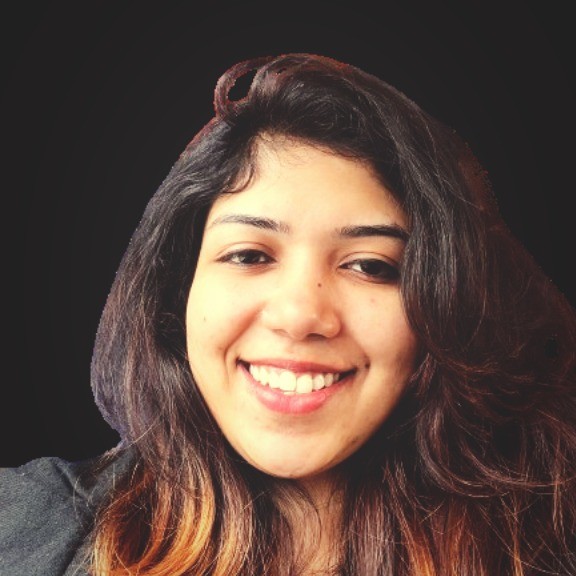 Lead Organizer
Assistant Professor, University of Bath, UK
Advance robust segmentation, saliency, depth, and multimodal reasoning under stylization and abstraction. Evaluate how vision models interpret artistic imagery and generalize beyond photorealism.
Push long-form, temporally coherent video generation, world models, neural 3D representations, and agentic workflows that give artists cinematic and stylistic control over the creative process.
Benchmark watermarking, authenticity, and provenance in AI-assisted art; digitise historic archives and apply spatial intelligence to the restoration and preservation of cultural heritage.